
Dry eye is an eye condition that results from the poor quantity or quality of the tear film. Dry eye has many causes and is usually categorised as evaporative or aqueous deficiency dry eye.
What is dry eye?
Dry eye is an eye condition resulting from the poor quality or quantity of the tear film. The tear film is a layer of tears that covers the front surface of the eyes. It lubricates and protects the eye. Dry eye can have many possible causes.
The tear film is complex and multi-layered and includes components like mucus, lipids (oil) and proteins.
Dry eye is usually categorised as:
Evaporative dry eye - occurs when the tears evaporate too quickly due to the tear film having a poor quality oil layer. There might be enough tears, they just evaporate too fast. It is usually a result of a condition called Meibomian Gland Dysfunction (MGD).
Aqueous deficiency - is caused when there are not enough tears. This tends to be less likely to be the sole cause of dry eye.
Most cases of dry eye have a combination of both of these categories.
What are the symptoms of dry eye?
What does dry eye feel like?
You have probably experienced the sensation of dry eyes at some time. Often categorised simply as a dry and gritty feeling, it can be brought on temporarily by many things, including lack of sleep and environmental factors like harsh winds or a dry climate. The symptoms are variable and can occur constantly or intermittently.
For some people, they are temporary and will go away with a proper night of sleep or by leaving the environment that is causing the problem. Some people will experience dry eyes as a constant recurrent problem and will require treatment to get relief.
Symptoms of dry eyes include but are not limited to the following:
- Burning and itching eyes
- Persistent dryness
- General eye discomfort
- Excessive watering of the eyes
- Scratchy, gritty feeling in the eyes
- Blurred vision
- Fluctuating vision
- Increased sensitivity to bright lights and glare
- Tightness of the eyes
- Heaviness of the eyelids.
- Tired eyes
What causes dry eye?
Dry eye can have numerous contributing factors or causes. Some of the most common causes are:
| Dry Eye Causes | Explanation |
| Age | As we age, our eyes naturally produce fewer tears. Around 75% of people over the age of 65 are affected by Dry Eye Syndrome. |
| Gender | Women are more likely to develop dry eyes as they tend to have more radical shifts in their hormone levels. Hormonal changes, naturally occurring ones and medically induced ones can increase the risk of developing dry eye. |
| Environment | Exposure to harsh weather conditions like strong winds or a dry climate can cause dry eye symptoms. Even indoors, air-conditioning can also have this effect. |
| Computer Use | Computer use can cause dry eye symptoms, as viewing a computer screen for long periods of time can reduce our frequency of blinking. Blinking is an important part of keeping the eye moist, so if you use a computer for long periods of time, try to consciously blink from time to time to reduce this effect. |
| Medications | Some medications can cause or worsen dry eye. This includes but is not limited to antihistamines, blood pressure medications (like diuretics), antidepressants, oral contraceptives or some eye drops for red eyes. |
| Sjogren’s Syndrome | Sjogren’s Syndrome, which you may have heard of because of a famous sufferer, tennis star Venus Williams, is a chronic disorder of the immune system. The main symptoms of the syndrome are dry eyes and dry mouth because the disease causes the patient’s white blood cells to attack the saliva and tear glands. |
| Diseases | Other diseases such as arthritis, diabetes, asthma, thyroid disease and lupus can cause dry eye |
| Meibomian Gland Dysfunction (MGD) | Meibomian Gland Dysfunction or MGD is a condition where the Meibomian glands are inflamed and are no longer releasing oils or are only releasing them in small quantities. This can lead to dry eye as these oils are an important and active part of the tear film. This is a very common cause of Dry eye. |
| Contact Lens Wear |
Dry eye is a common problem for contact lens wearers, and dry eye is a leading cause of contact lens irritation, so it can be difficult to tell which is causing which. Symptoms and discomfort associated with dry eye can be more pronounced for contact lens wearers and irritation can cause wearers to discontinue contact lens use. |
How is dry eye treated?
Because there are so many different causes of dry eyes, treatment will depend on your symptoms and the cause(s) of your condition.
Dry eye treatments involve either replacing tear components, reducing tear drainage or improving tear production and quality.
There is a vast range of treatments available. Your eye care practitioner is likely to start with artificial tears and supplements, and might then recommend anti-inflammatories, Low-Level Light Therapy (LLLT), Intense Pulse Light (IPL), or serum eye drops. The aim of the treatments is to help stabilise your tear film and make your dry eye more manageable in the long term.
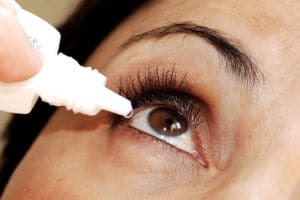
putting eye drops into dry eyes
Learn More
If you are interested in finding out about our laser eye surgery procedures, you can learn more about SMILE, LASIK or PRK. You can also contact us directly for further information.
For more information on other eye conditions like blepharitis or glaucoma, see our other conditions pages or glossary.